Who Pays for a Funeral When There Is No Money?
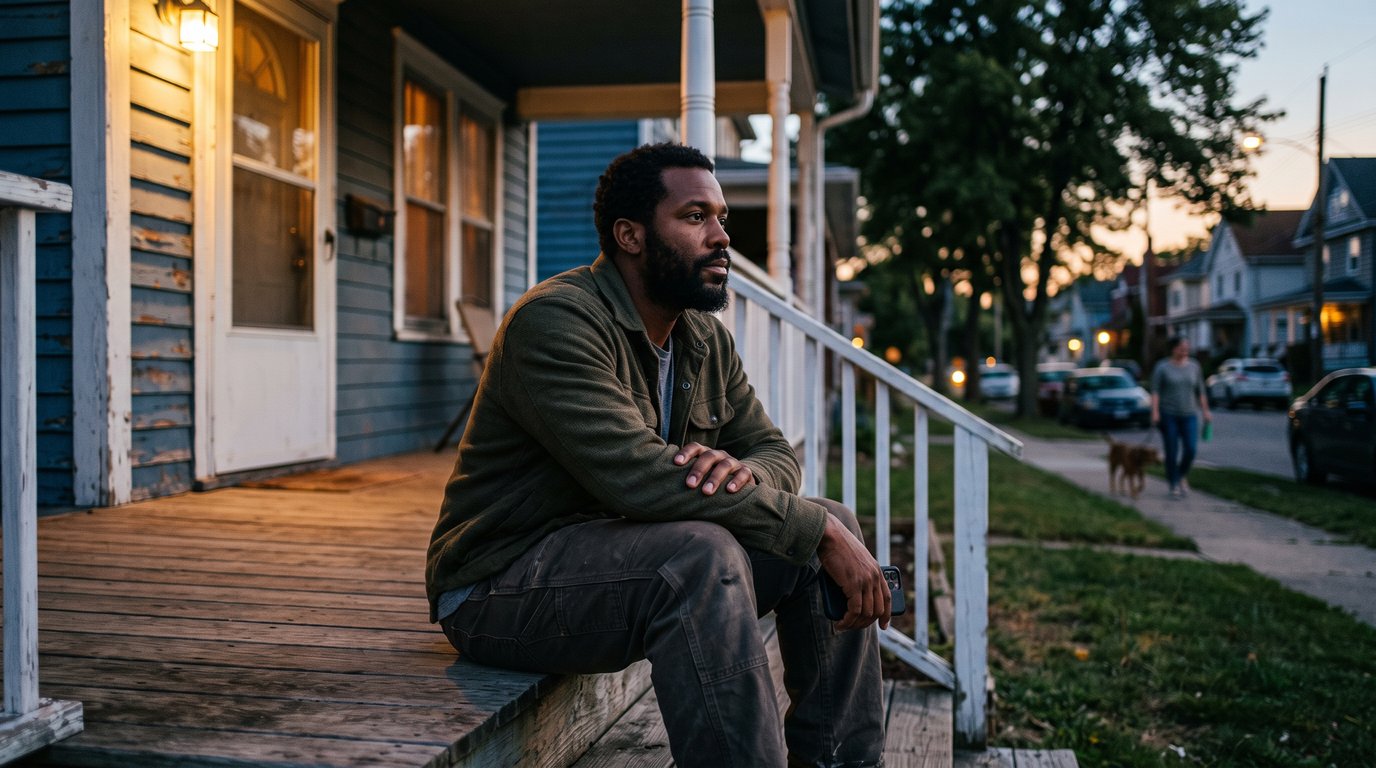
If you are reading this because someone has died and there is no money, start here: you have not failed anyone. There are legal, dignified ways to handle a death for very little money and, in some cases, for nothing at all. Nobody is going to be left somewhere. This page explains every one of those options plainly, including the ones people are too ashamed to ask about.
It also explains something most families do not know, and it may be the single most useful sentence on this page: in general, you are not legally obliged to pay for a funeral you did not sign a contract for. Being someone's son, daughter, or spouse does not by itself make you responsible for a bill.
Read the whole page before you sign anything. Once your name is on a funeral home's contract, the balance is yours, and it does not matter afterwards what the estate turns out to hold.
Who is actually responsible for the bill
Funeral expenses are a debt of the estate — the money and property the person left behind. If the estate has assets, funeral costs are usually one of the first claims paid, ahead of most other creditors. If the estate has nothing, then there is nothing to pay with, and an unpaid funeral bill does not transfer to relatives the way people fear it does.
What creates personal liability is signing. The person who signs the funeral home's contract is the person the funeral home can bill and pursue, whether or not they inherit a dollar. This is why the pressure to sign in the first day or two is worth resisting. You are allowed to say: "I am not signing anything until I know how this is being paid for."
Two honest qualifications. First, state law gives someone the legal right to decide what happens to the body — usually the spouse first, then adult children, then parents, then siblings. Having that right is not the same as having a duty to pay, and the two get deliberately blurred in conversation. Second, a small number of states have statutes that can create an obligation for a surviving spouse or for someone with a legal duty of support. If anyone tells you that you must pay, ask for the specific state law in writing and call your local legal aid office first. Nothing here is legal advice, and the rules genuinely differ by state.
You also do not have to pay a parent's other debts out of your own pocket. Our checklist for what to do when someone dies covers collectors who imply otherwise.
The cheapest legal choices, cheapest first
Direct cremation
Direct cremation is normally the least expensive legal way to handle a death. There is no embalming, no viewing, no casket — a simple container is used — and the ashes are returned to the family, usually within a few weeks. Prices vary widely by market and by provider, broadly running from a few hundred dollars at the low end to a few thousand at a full-service funeral home for the identical service. The spread inside one city can be two or three times over, so call at least three providers and ask for the price in writing.
The FTC Funeral Rule is on your side here. Funeral homes must quote prices over the phone if you ask, must hand you an itemized written General Price List in person, and cannot require embalming for a direct cremation. Read direct cremation explained before you call, so you know which line items you are allowed to decline. And be aware that the largest costs in a traditional funeral are the ones cremation removes entirely.
Immediate burial
If burial matters to the family for religious or personal reasons, ask for "immediate burial" — burial without a viewing or ceremony beforehand. It is the cheapest burial option, but almost always dearer than cremation, because the cemetery is a separate bill: the plot, opening and closing the grave, a required liner, and often a perpetual care fee. Get the cemetery's price list separately from the funeral home's — families budget for one and are blindsided by the other.
Donating the body to a medical school
Whole-body donation to a university anatomical gift program is usually free to the family. Most programs cover transportation within their region, the cremation afterward, and the return of the ashes to the family if you want them. This is a genuine option, and medical and dental students learn anatomy because of it.
The honest caveats: acceptance is never guaranteed, and programs decline donations for reasons including certain infectious diseases, a prior autopsy, significant trauma, or body weight, so you need a fallback plan. The timeline before ashes are returned is set by the program and can run from weeks to a year or more. There is no body present for a service. And go through a medical or dental school's own donation office rather than a private broker — call the nearest medical school and ask for the anatomical gift or willed body program.
Not claiming the body
This is the option people whisper about, so let us be direct about it. If no one claims the remains and no one assumes financial responsibility, the county becomes responsible for final disposition under state law. Depending on where you live, that falls to the coroner or medical examiner, a public administrator, or a county social services office. It is a lawful, established process, used regularly, and the staff who handle it will not be surprised by your call.
What to understand before choosing it. You generally give up control: the county decides the method, usually cremation, and the timing, which can be weeks or longer, and the place. Whether you can receive the ashes or attend varies by county, so ask. Records are kept, so families can usually find out later where a person was laid. If an estate later turns out to have assets, some counties will seek reimbursement from it.
And here is the part that matters most: not claiming a body does not mean not having a funeral. A disposition and a service are two separate things. You can hold a memorial in a church hall, a park, a community room, or a living room, three weeks later or six months later, with photographs and food and everyone who loved the person, for nothing. Nobody at that gathering will know or care what happened to the body, and every one of them will remember that you brought them together.
Money that may already exist
Before you assume there is nothing, spend an hour looking in these places.
Social Security's lump-sum death payment is $255, one time, to an eligible surviving spouse or a dependent child. The $255 cap dates from 1954 and it is the entire federal contribution toward an ordinary funeral, which tells you something about how alone families are in this. It is paid to the survivor, not to the funeral home, generally has to be claimed within two years, and someone who received only SSI does not qualify. More importantly, ask about monthly survivor benefits at the same time — those are usually the real money. See the Social Security death benefit explained.
An insurance policy nobody remembered. Check drawers, safe deposit boxes, old checkbooks for premium payments, and email. Call the last employer, any former employer with a group plan, the credit union, and any union or association. The National Association of Insurance Commissioners runs a free Life Insurance Policy Locator that searches participating companies for policies naming the deceased.
A prepaid funeral contract nobody knew about. Older people sometimes buy one quietly and tell no one. Call the two or three funeral homes the family has historically used and ask them to check their records by name.
Unclaimed property. Every state runs a free unclaimed property database holding forgotten bank balances, uncashed checks, and insurance proceeds. Search the state where the person lived and every state they lived in before.
Assistance programs. County indigent burial funds, veterans burial benefits, crime victim compensation where a death was a homicide, disaster assistance, union and employer death benefits, congregational and fraternal funds. These vary enormously and most people never learn they exist. Our directory of funeral assistance programs explains each category and, more usefully, tells you exactly which office to call to find the version that operates where you live. Make those calls before you sign a funeral contract, because several programs will not reimburse a bill you have already committed to.
Crowdfunding, honestly
Crowdfunding works when one person with a real network runs it and pushes it hard in the first two days. It does not work as a plan, and it should never be the reason you sign a contract you cannot otherwise cover.
What to know before you start one. Platform and payment processing fees come out of what you raise. Payouts take days, and identity verification can delay the first one, so a funeral home is unlikely to wait on it — ask whether they will accept a deposit now and the balance later, in writing. Set a modest goal, because a small target that gets met attracts more giving than a large one that stalls early. Say precisely what the money is for. And ask one person with genuine reach to share it, rather than posting once yourself and hoping.
Two warnings. The money lands in a real person's bank account, so agree in writing beforehand who that is and what it pays for, because this is a common source of lasting family conflict. And if the recipient receives a needs-based benefit such as SSI or Medicaid, a lump sum sitting in their account can affect eligibility — ask the benefits agency before the money arrives, and confirm the tax treatment with a tax professional.
A simpler alternative that families overlook: ask the funeral home whether several relatives can each pay a portion directly, so no single person carries the contract or the money.
How to lower the bill without any help at all
Get an itemized General Price List from at least three providers, in writing, and compare identical services. Decline the package and buy only what you want. You may supply a casket or urn bought elsewhere, and the funeral home may not charge you a handling fee for it. Embalming is generally not required by law. Skip the viewing, the limousine, the printed programs, and the newspaper notice. A graveside-only service avoids chapel rental. Cremation now with a memorial later spreads the cost and often removes most of it. Ask whether the funeral home offers a hardship rate or a payment plan, in writing. And look for a local Funeral Consumers Alliance chapter — volunteer nonprofit consumer groups, many of which publish price surveys of the funeral homes in their own area.
Choosing the cheapest option is not a failure of love
The size of a funeral has never been a measure of grief. An expensive casket and a simple cremation end in exactly the same place. What people remember about a death is who called, who came, who sat with them, and who told the truth — not what was purchased.
Funerals are one of the few things Americans buy at the worst moment of their lives, from a person who is being kind to them, with no time to compare and no idea what anything should cost. If that has left you feeling that spending less is disrespectful, that feeling was manufactured. Spend what you have. Hold a gathering that costs nothing. Say the person's name out loud in a room full of people who loved them. That is a funeral.
One last honest note. If you are reading this and thinking about your own family, a small policy is what prevents this situation from repeating — but it cannot help with a death that has already happened, and nobody should sell you one today as a solution to today's bill. When you are past this, what final expense insurance is explains how the small policies work and what they do not do.
Protect Your Family From Unexpected Costs
See if you qualify for affordable coverage — it takes less than 60 seconds.
Check If You QualifyFrequently Asked Questions
Can a funeral home make me pay for my parent's funeral?
Generally no, unless you sign the contract. Funeral costs are a debt of the estate, and the person who signs the funeral home's agreement is the one who can be billed personally, regardless of who inherits. Being next of kin does not by itself create the obligation, although a small number of states have statutes that can create one for a surviving spouse. If someone insists you must pay, ask for the specific state law in writing and call a legal aid office before signing.
What happens if nobody claims the body?
The county takes responsibility for final disposition under state law, usually through the coroner or medical examiner, a public administrator, or social services. It is a lawful and routine process, usually cremation, and records are kept so families can find out later where the person was laid. What you give up is control over the method, the timing, and often whether you receive the ashes, so ask the county what its practice is. You can still hold a memorial service yourself, at any time and at no cost.
Is there a government program that just pays for a funeral?
No. There is no federal funeral program. The only guaranteed federal payment is Social Security's one-time $255 lump sum to an eligible surviving spouse or dependent child, and it has been $255 since 1954. Everything else is a patchwork: county indigent burial funds, veterans burial benefits, disaster assistance, and crime victim compensation, each with narrow eligibility and each administered locally rather than nationally.
Is donating a body to a medical school really free?
Usually yes for the family, but it depends on the program and on acceptance. University anatomical gift programs typically cover regional transportation, the cremation, and the return of ashes at no cost. However, no program guarantees acceptance, and donations are declined for reasons including certain infectious diseases, a prior autopsy, significant trauma, or body weight, so you must have a second plan ready. Ask the program directly what it covers, what it excludes, and how long before ashes are returned.
Can we skip the funeral home and handle everything ourselves?
It depends on your state. Most states allow a family to care for their own dead and file the paperwork themselves, but a minority require a licensed funeral director for certain steps such as filing the death certificate or transporting the body. Even where it is legal it is real work, on a deadline, while grieving. Call your state's vital records office or health department and ask what a family is permitted to do without a funeral director before you plan around it.